Idaho local data guide
Impact of Federal Tax Filing Extensions on the 1031 Exchange 180-Day Deadline
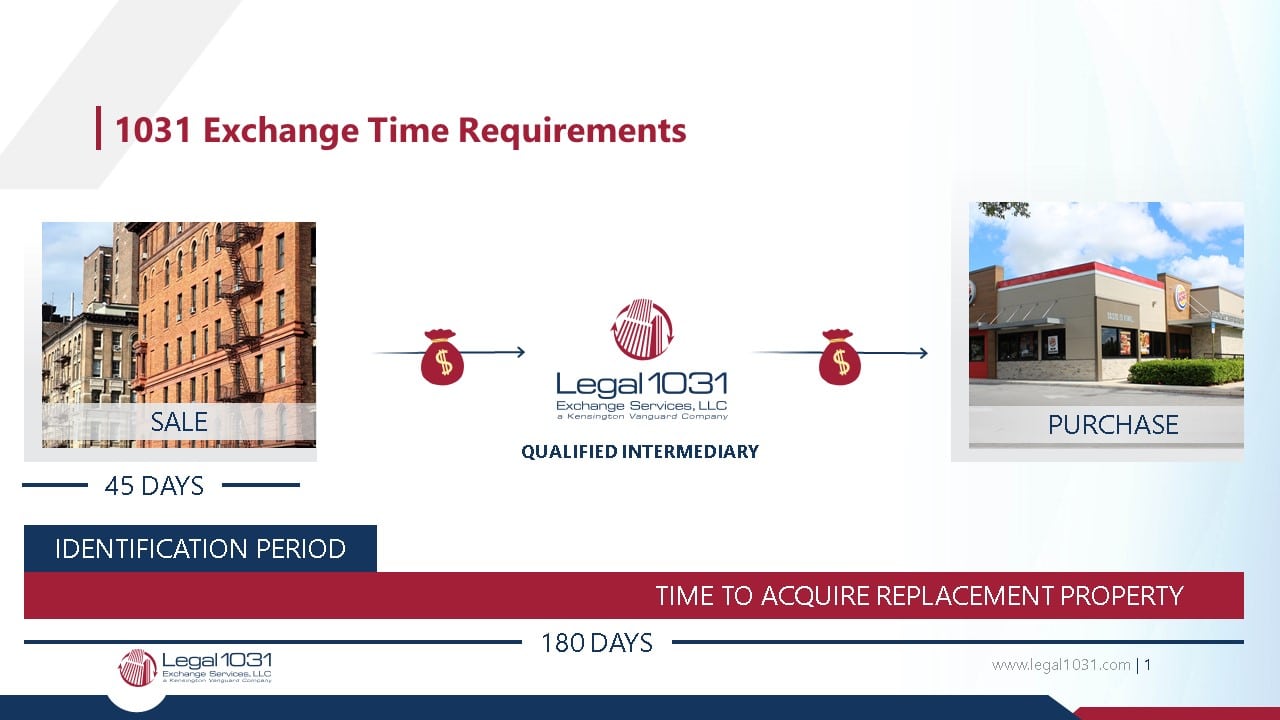
In a 1031 exchange, the replacement property must be acquired by the earlier of two dates: 180 days after transferring the relinquished property or your federal tax return due date. Filing for a federal tax extension does not extend the 180-day limit, but it ensures that late-year exchanges are not prematurely curtailed by an earlier tax filing deadline.
Updated with grounded research as of 2026-09-27.
The short answer
A federal tax return extension is a critical tool for investors who initiate a 1031 exchange in the fourth quarter of the tax year. While the 180-day deadline for acquiring replacement property is fixed, the tax return deadline can sometimes fall before those 180 days have elapsed. By filing for an automatic extension, you push back your tax filing due date, effectively 'protecting' your access to the full 180-day window allowed by the IRS, rather than being forced to close prematurely by your tax deadline.
Key facts
- 180-Day Deadline Rule
- Replacement property must be acquired by the earlier of 180 days after the transfer of the relinquished property or the due date (including extensions) of the taxpayer's federal tax return for the tax year in which the relinquished property was transferred.
- Restriction on Post-Filing Changes
- Once a federal tax return is filed, it generally cannot be amended to include a 1031 exchange that was not properly reported or to request an extension of the completion deadline.
The 180-Day Limit vs. Tax Deadlines
Understanding the interaction between IRS deadlines is vital for Idaho real estate investors. The 180-day clock begins the day you transfer your relinquished property. If that 180-day window extends into the next calendar year, your tax return for the year of the sale is typically due before the 180 days are up. Without an extension, the tax filing deadline becomes your effective deadline for completing the exchange.
- The 180-day period is the absolute maximum timeframe for 1031 exchanges.
- Filing an extension prevents the tax return deadline from acting as a 'trap' that shortens your exchange period.
Why Timing Matters for Fourth-Quarter Exchanges
If you initiate an exchange late in the year (typically October, November, or December), your federal tax return deadline (usually April 15 of the following year) will occur before 180 days have passed. Filing an extension is the standard administrative procedure to ensure you do not lose the ability to acquire your replacement property due to this calendar mismatch.
Important Considerations and Limitations
It is important to remember that tax extensions are a federal mechanism. They do not extend the 180-day window itself; they only adjust the tax filing 'due date' factor that determines the exchange deadline. Furthermore, this does not apply to state tax obligations unless they align with federal extensions, and the 180-day limit remains firm regardless of administrative or transaction-related delays, except in cases of specific federally declared disasters.
Common questions
Does filing a tax extension add more days to my 180-day exchange window?
No. The 180-day period is fixed. The tax extension simply prevents your tax filing deadline from shortening that 180-day window, ensuring you have the full amount of time the IRS allows.
What happens if I forget to file for an extension in a late-year exchange?
If you do not file for an extension, your 1031 exchange must be completed by the original due date of your federal tax return. If this date is less than 180 days from your sale, you will lose the ability to acquire replacement property after that date, potentially invalidating the 1031 exchange.
Related Idaho questions
- What happens if I miss the 45-day identification deadline in a 1031 exchange?
- Does the 180-day deadline include weekends and holidays?
- How are 1031 exchange deadlines affected by federally declared disasters?
Sources and verification
- IRS: Extension of Time to File Your Tax Return (irs.gov)
- IPX1031: 1031 Exchange Timelines and Deadlines (ipx1031.com)
- Learn more about Impact of Federal Tax Filing Extensions on the 1031 Exchange 180-Day Deadline from legal1031.com (legal1031.com)
- Learn more about Impact of Federal Tax Filing Extensions on the 1031 Exchange 180-Day Deadline from 1031corp.com (1031corp.com)